
Understanding Addiction: A Growing Concern
Addiction is more than just a bad habit—it is a chronic psychological and physiological condition where individuals develop a strong and uncontrollable urge to use a substance or engage in a behaviour despite knowing its harmful consequences. In today’s fast-paced world, addiction has become a major health and social issue, affecting millions of people worldwide.
What is Addiction?
At its core, addiction disrupts the brain’s natural reward system. Normally, when we do something enjoyable—like eating our favourite food or spending time with loved ones—the brain releases dopamine, a chemical that makes us feel pleasure and motivates us to repeat that behaviour.
However, in addiction, substances (like drugs or alcohol) or behaviours (like gambling or shopping) hijack this system. They trigger an unusually high release of dopamine, creating an intense feeling of reward. Over time, the brain adapts by reducing its natural dopamine production. This means ordinary activities no longer feel satisfying, and the person begins to rely more and more on the addictive substance or behaviour to feel “normal.”
Over time, people lose control over their actions, experience cravings, and find it difficult to stop even when they want to. Unlike casual habits, addiction is persistent and destructive.
Types of Addiction
1. Substance Addictions
Substance addiction refers to the compulsive use of psychoactive substances that alter brain chemistry and behaviour. These substances create a strong sense of pleasure or relief but, over time, lead to dependence, health problems, and social difficulties.
Common Types of Substance Addictions:
- Alcohol Addiction – excessive drinking leading to dependence, liver damage, and social issues.
- Drug Addiction – misuse of illegal drugs (heroin, cocaine, cannabis, methamphetamine) or prescription medicines (opioids, sedatives, stimulants).
- Nicotine Addiction – dependence on smoking or vaping, leading to lung and heart diseases.
- Caffeine Addiction – excessive coffee, tea, or energy drink consumption causing restlessness, headaches, and sleep disturbances.
Key Features:
- Tolerance (needing higher doses to feel the same effect).
- Withdrawal symptoms (nausea, anxiety, tremors when not using).
- Loss of control over intake.
- Negative impact on physical, mental, and social health.
- Behavioural Addictions
Behavioural addiction refers to compulsive engagement in certain activities or behaviours that provide pleasure or relief, even when they cause harm in the long run. Unlike substance addiction, no chemical is consumed, but the brain’s reward system reacts similarly—triggering dopamine release, cravings, tolerance, and withdrawal-like symptoms.
Common Types of Behavioural Addictions:
- Gambling Addiction – persistent betting despite heavy losses and financial strain.
- Shopping Addiction (Oniomania) – uncontrollable urge to shop, often leading to debt and regret.
- Gaming Addiction – excessive time spent on video games, neglecting studies, work, or relationships.
- Internet & Social Media Addiction – compulsive scrolling, checking notifications, or online engagement.
- Food Addiction – overeating or craving high-sugar, high-fat foods beyond hunger needs.
- Work Addiction (Workaholism) – excessive devotion to work at the cost of personal health and relationships.t
Key Features:
- Preoccupation with the activity.
- Inability to control or reduce involvement.
- Using the behaviour as an escape from stress or negative emotions.
- Negative consequences in relationships, academics, career, and health.
Psychological Aspects of Addiction
Addiction is not just about substances or behaviours—it is deeply connected to the mind and emotions. Psychologists describe addiction as a condition where the brain’s reward and control systems are altered, making it hard for individuals to regulate their impulses.
Addiction is deeply rooted in psychology. It involves:
- Craving: intense desire for the substance or behaviour.
- Tolerance: needing more to get the same effect.
- Dependence: relying on it for daily functioning.
- Withdrawal: experiencing physical or emotional discomfort when stopping.
Many turn to addictive substances or behaviours as a way to cope with stress, loneliness, depression, or low self-esteem.
Causes and Risk Factors
Addiction rarely has a single cause—it usually develops due to a combination of biological, psychological, and social factors. Understanding these helps explain why some people are more vulnerable than others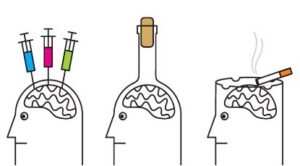
Addiction is not caused by one factor alone—it is often a mix of:
- Biological: genetic predisposition, brain chemistry imbalances.
- Psychological: trauma, anxiety, depression.
- Social: peer pressure, environment, easy access to substances.
Signs and Symptoms
Addiction often develops gradually, and its signs can be subtle at first. Over time, however, it begins to affect thoughts, feelings, behaviours, and physical health.
1. Behavioural Signs
- Inability to control or reduce use of the substance/behaviour.
- Spending excessive time thinking about, planning, or engaging in it.
- Neglecting work, studies, or family responsibilities.
- Secretive behaviour—lying, hiding bills or purchases, avoiding questions.
- Continued use despite knowing the harmful effects.
- Psychological Signs
- Strong cravings or urges.
- Mood swings, irritability, anxiety, or depression.
- Using the substance or activity as a way to cope with stress or negative emotions.
- Feeling guilt or shame after indulging, but still repeating the behaviour.
- Physical Signs
- Tolerance: needing more to get the same effect.
- Withdrawal symptoms when trying to stop (shaking, headaches, nausea, restlessness).
- Changes in sleep and appetite.

- Declining energy, poor concentration, or lack of motivation.
- Social Signs
- Strained relationships with family or friends.
- Financial problems due to overspending.
- Isolation or loss of interest in hobbies and healthy activities
Consequences of Addiction
Addiction impacts every area of life:
- Physical Health: liver disease, heart problems, weakened immunity.
- Mental Health: anxiety, depression, irritability.
- Social Life: conflicts with family, broken relationships.
- Financial Stability: debts, loss of job, bankruptcy.
Treatment and Recovery
The good news is that addiction is treatable. Approaches include:
- Psychotherapy (CBT): to identify triggers and develop healthier coping strategies.
- Medication: to ease withdrawal or manage co-occurring disorders.
- Rehabilitation Programs: structured support for recovery.
- Support Groups: Alcoholics Anonymous, Narcotics Anonymous, etc.
- Lifestyle Changes: stress management, mindfulness, physical activity.
Prevention
“Prevention is better than cure.” Key measures include:
- Spreading awareness and education.
- Encouraging stress management techniques.
- Building strong support systems within families and schools.

- Promoting healthy coping strategies instead of harmful ones.
Conclusion
Addiction is not a sign of weakness—it is a complex psychological and medical condition. With awareness, timely intervention, and proper treatment, recovery is absolutely possible. As a society, we need to replace judgment with support and stigma with understanding.
💡 Remember: Recovery is a journey, and every small step forward is progress.